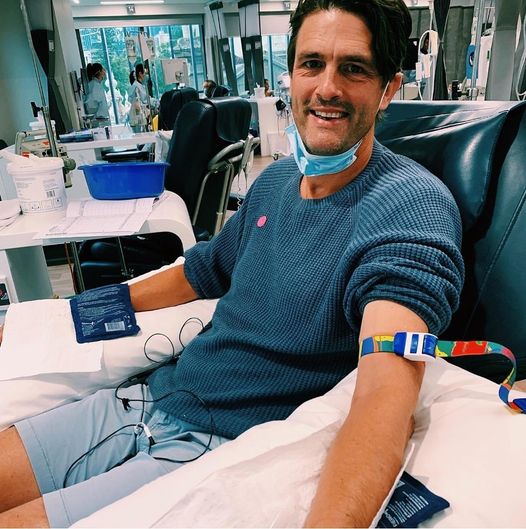
Ciltacabtagene autoleucel (cilta-cel) approved for public funding by the Medical Services Advisory Committee (MSAC) for Australian patients with refractory or relapsed multiple myeloma who have had four prior lines of treatment

Ciltacabtagene autoleucel (cilta-cel) approved for public funding by the Medical Services Advisory Committee (MSAC) for Australian patients with refractory or relapsed multiple myeloma who have had four prior lines of treatment

Multiple Myeloma Groundbreaking research aimed at translating novel Chimeric Antigen Receptor (CAR) T-cell therapies into improved treatment for multiple myeloma is the latest Australian research to be funded through the prestigious Translational Research Program (TRP). Now into its sixth year, this international collaboration between The Leukemia & Lymphoma Society (LLS) and the Snowdome Foundation has … Continued

Tahli’s life took an unexpected turn in the autumn of 2020. A busy mother of two and a talented baker, she found herself facing a daunting diagnosis: stage 4 lymphoma. As she navigated her journey from diagnosis to treatment and ultimately remission, Tahli’s story became one of hope and advocacy for groundbreaking medical treatments like … Continued

We recently sat down with Snowdome Board Director, Helen Buckingham OAM, to get her thoughts on the funding of a new immunotherapy treatment for myeloma, and how clinicians and patients can have their say.
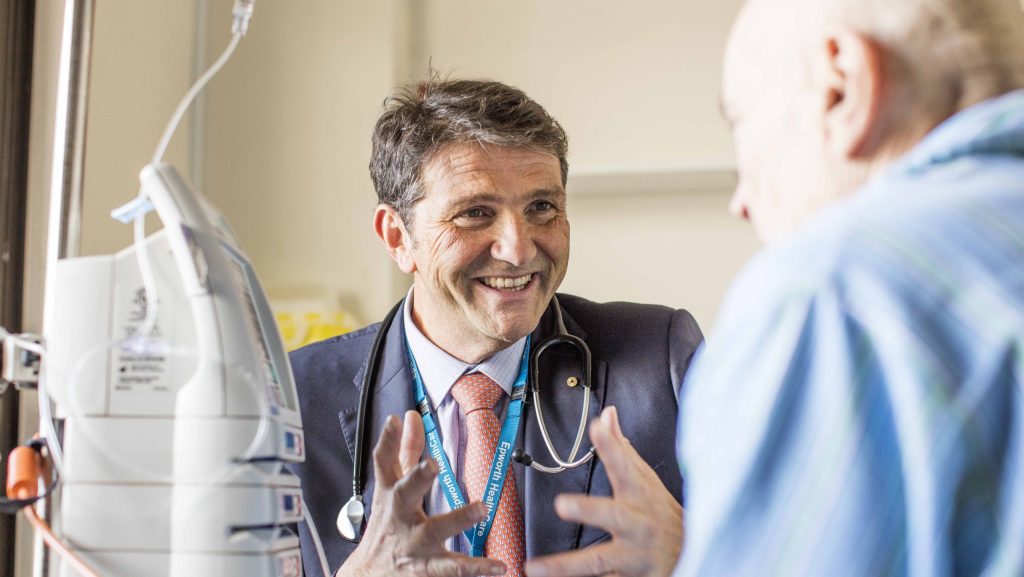
A state of the art, purpose-built laboratory complex in Victoria will provide new hope to Australian blood cancer patients.

Snowdome is incredibly proud to continue our international collaboration with the Leukemia & Lymphoma Society in the USA and the Leukaemia Foundation to fund Australian blood cancer researchers and clinicians.
Reproduced from The Australian 7 June 2023 Natasha Robinson – Health Editor A new treatment, dubbed “the future of cancer therapy”, has been approved to treat a type of blood cancer in a step doctors are hailing as the beginning of a “total paradigm shift” in cancer care for the sickest patients who have failed … Continued
When the human genome was mapped (1990 – 2003) it accelerated the study of human biology and improved medical practice, including the diagnosis, prognosis and treatment of blood cancer. Today at the Wilson Centre for Blood Cancer Genomics, researchers identify the genetic mutations causing a patient’s cancer, whether it will act aggressively and which treatments … Continued

Immunotherapy is a bright beacon of hope in the quest for better cancer treatments. CAR-T cell therapy, a form of immunotherapy created through modifying a person’s own T-cells to identify and destroy cancer cells, shows significant promise for patients, clinicians and researchers alike. Yet not all those who receive CAR-T cell treatment respond, and some … Continued