
Twice Touched by Blood Cancer: The Livis Family’s story of Endurance and Progress
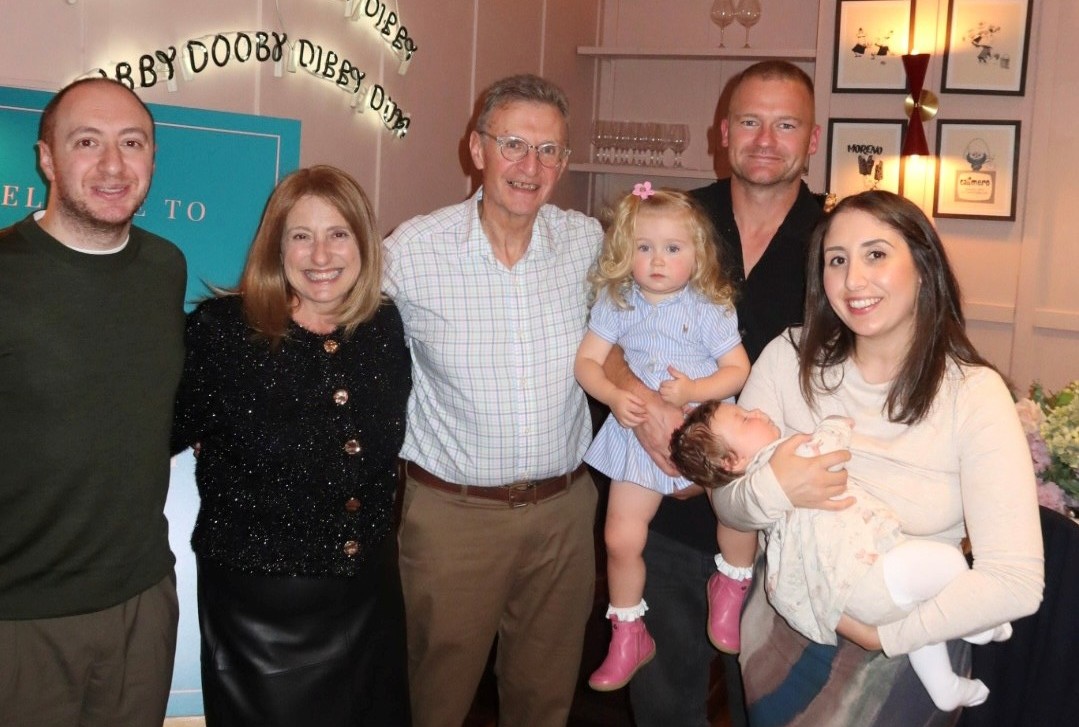
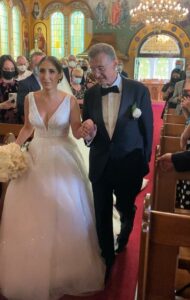
Twice, blood cancer has come for Lisa Livis’s family, and both times, research has met it with an answer. Lisa’s son Jason survived childhood leukaemia when a cure was far from guaranteed. Decades later, her husband Denis faced two separate blood cancers and ran out of standard options, only for new treatments to get him through each time. Today, Denis is fit and well, and was there to walk his daughter Thaleia down the aisle at her wedding.
The first diagnosis
Jason Livis was a healthy four-and-a-half-year-old until, over two weeks, he grew lethargic with nosebleeds and his skin started bruising. After receiving alarming blood test results, Jason was led straight to the Royal Children’s Hospital, where he was diagnosed with acute lymphoblastic leukaemia (ALL) – the most common type of childhood leukaemia.
His treatment ran two years. Back then, childhood ALL had only around a 70% cure rate. “As a mother, you can’t help but focus on the 30% that don’t make it,” Lisa says. The outcome was one every family hopes for: Jason went into remission and stayed there. Today, the majority of children with ALL can be cured – which is a progress that was made within one family’s lifetime.
The second diagnosis
In November 2016, blood cancer unfortunately returned to the Livis family. Denis came home from holiday with a persistent cold, and blood tests showed dangerously low haemoglobin levels. Lisa described those weeks as an “emotional rollercoaster” and finding “blasts” (immature cancer cells) in his blood told the family what it meant. Denis was diagnosed with multiple myeloma (MM). His first treatment, a stem cell transplant using his own cells, unfortunately failed. His haematologist, Prof Miles Prince AM, then offered daratumumab, which at the time was not yet funded on the PBS. Denis was able to access the drug on compassionate grounds.
“It’s because of Snowdome really that we were able to do this,” Lisa says.
Denis responded well to treatment, until, in 2020, he was diagnosed with a second blood cancer, acute myeloid leukaemia (AML), caused by a complication from his earlier treatment. This time, Denis needed a donor transplant. As no match was found on the registry, their daughter Thaleia, who was a half match, stepped in.
“She was very, very happy to do it,” Lisa says. “I think she’s quite proud to be the donor for her father.”
The transplant put both cancers into remission. Denis is doing well five years on – and when his myeloma returned this year, he was able to go into a trial with a new drug, again responding very well.
Progress, and Why It Matters
Where chemotherapy was once the only option, targeted therapies now transform patient outcomes. Daratumumab once meant a full day in outpatients; now Denis receives it as a five-minute injection, improving patient quality of life. “You wouldn’t know his background,” Lisa says. “He still goes to the gym.”
Because Denis responded to treatment, he was there to walk Thaleia down the aisle, and has since welcomed two grandchildren.
“It’s all of the research and clinical trials that’s enabled Denis to get to where he is today,” Lisa says. This is the gap Snowdome exists to close. Funding research that turns lab discovery into a treatment patients can actually access, often years before it would otherwise arrive.
“We feel very lucky and grateful,” Lisa says. “Blood cancers have had a lot of progress, and we’ve been the recipients of that progress.”