
Research Update: Inaugural Snowdome Haematology Fellowship
Research undertaken as part of the inaugural Snowdome Haematology Fellowship, awarded to Dr Josh Tobin in 2022 is set to have a transformative impact on frontline treatment for follicular lymphoma, offering more personalised, safer and effective treatment.
20 per cent of lymphoma diagnoses are follicular lymphoma (FL). FL is commonly controlled using chemotherapy, but while many patients experience several years without disease progression, one in four have aggressive disease that relapses rapidly after treatment and is associated with higher mortality.
Some patients with FL respond well to gentler versions of chemotherapy (such as bendamustine-rituximab), whereas other patients only respond to stronger chemotherapy more akin to the approaches common in aggressive lymphoma.
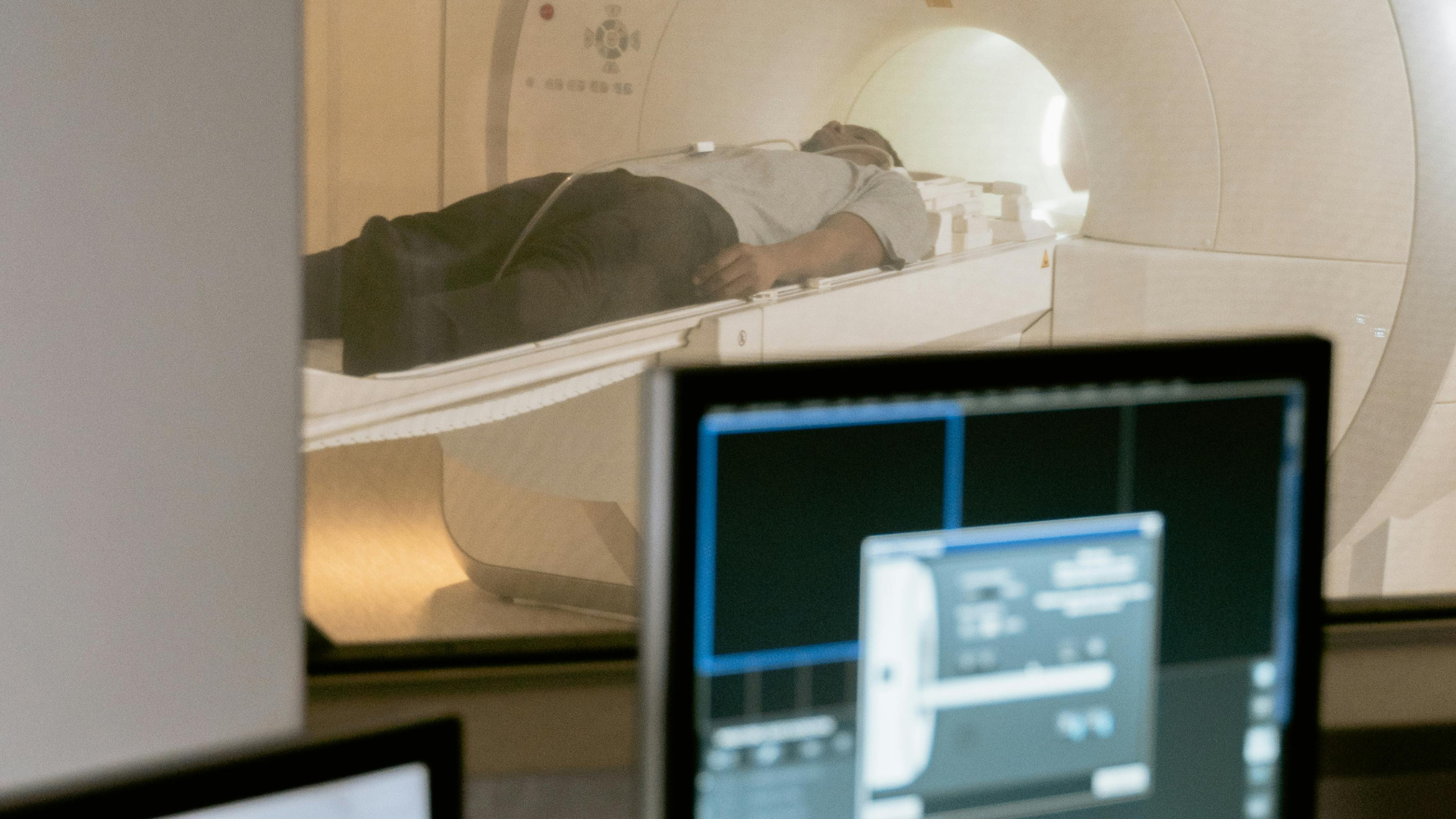
Clinicians have often relied on PET scans, using the intensity of sugar uptake (SUV), to decide which treatment path to take. The issue with this is that a high SUV can signal two different things; the tumour cells themselves are burning sugar at a high rate (poor biology), or the tumour is simply surrounded by many active immune cells, which is a positive sign. With a PET scan alone, it is impossible to tell which is which.
Through analysing tumour samples with RNA sequencing, Snowdome Haematology Fellow, Dr Josh Tobin, has discovered a specific subtype of follicular lymphoma that has many fast-growing tumour cells, relies heavily on sugar metabolism (glycolytic), and has very few immune cells around it. These patients consistently had poor outcomes when treated with milder chemotherapy, however their outcomes improved when treated with more intensive chemotherapy.
In contrast, patients whose PET scans were “hot” because of an active immune environment did just as well on milder chemotherapy without needing the added toxicity of more intensive treatment.
The impact on patient care is clear – pairing PET scans with a simple molecular test can help clinicians understand the cause of high intensity of sugar uptake (SUV). This means clinicians can avoid under-treating patients with aggressive biology, while also sparing others from unnecessarily intensive therapy. In the future, this combined approach could result in frontline treatment for follicular lymphoma becoming more personalised, safer and effective.
This research is currently being tested in a clinical trial, with global collaboration between leading centres worldwide, including the BC Cancer Agency in Canada as well as the MD Anderson Cancer Center and Mayo Clinic in the USA. Findings from this research have also been presented at the world’s largest haematology meeting, the American Society of Hematology (ASH) as well as being published in top peer-reviewed journals including The Lancet. Alongside this, Dr Josh Tobin was also the lead author of the Australasian Lymphoma Alliance (ALA) guidelines for follicular lymphoma, shaping how this disease is managed across Australia and New Zealand.